


News
Heat Exchanger Tubes Overview
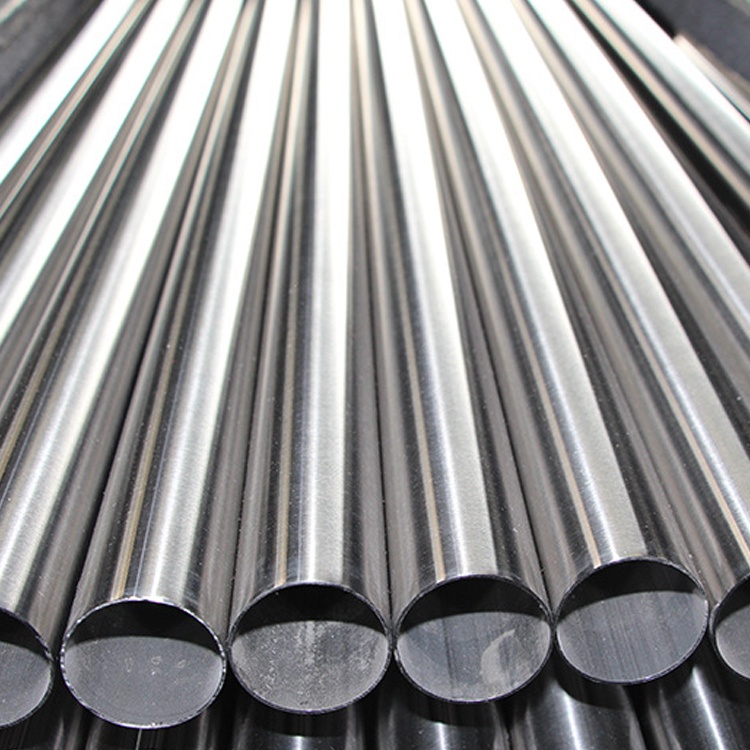
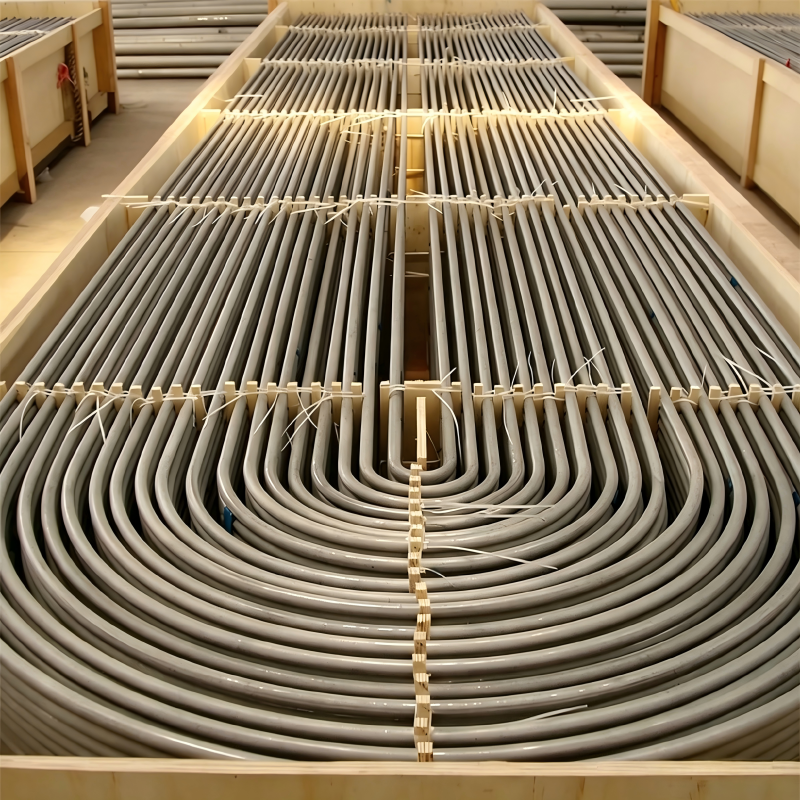
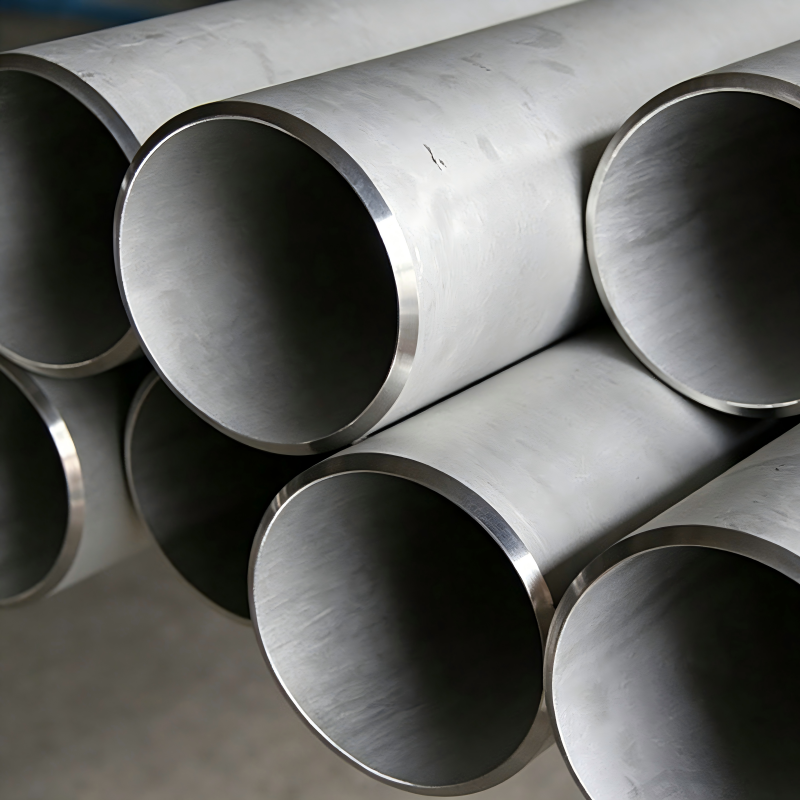
Heat exchanger tubes are precision-engineered tubes used to transfer heat between two fluids without allowing them to mix. Installed in shell-and-tube heat exchangers, condensers, evaporators, boilers, and coolers, these tubes provide excellent thermal conductivity while maintaining structural integrity under high temperatures and pressures.
Depending on the application, heat exchanger tubes are available in carbon steel, stainless steel, alloy steel, duplex stainless steel, copper alloys, and titanium. Each material offers unique advantages in terms of corrosion resistance, mechanical strength, and thermal performance.
Key Features
High-quality heat exchanger tubes offer numerous benefits, including:
Excellent heat transfer efficiency
Superior corrosion and oxidation resistance
High pressure and high temperature performance
Outstanding mechanical strength
Smooth internal and external surfaces
Long service life with minimal maintenance
Available in seamless and welded constructions
These characteristics make heat exchanger tubes suitable for both standard and highly demanding industrial environments.
Typical Applications
Heat exchanger tubes are widely used in:
Power plants
Oil and gas processing facilities
Petrochemical refineries
Chemical manufacturing plants
HVAC systems
Marine engineering
Food and beverage processing
Pharmaceutical production
Refrigeration equipment
Condensers, evaporators, and boilers
Contact Us
If you are interested in our products and would like to learn more details, please leave a message here, and we will get back to you as soon as possible.