


Introduction to Stainless Steel Welded Pipes
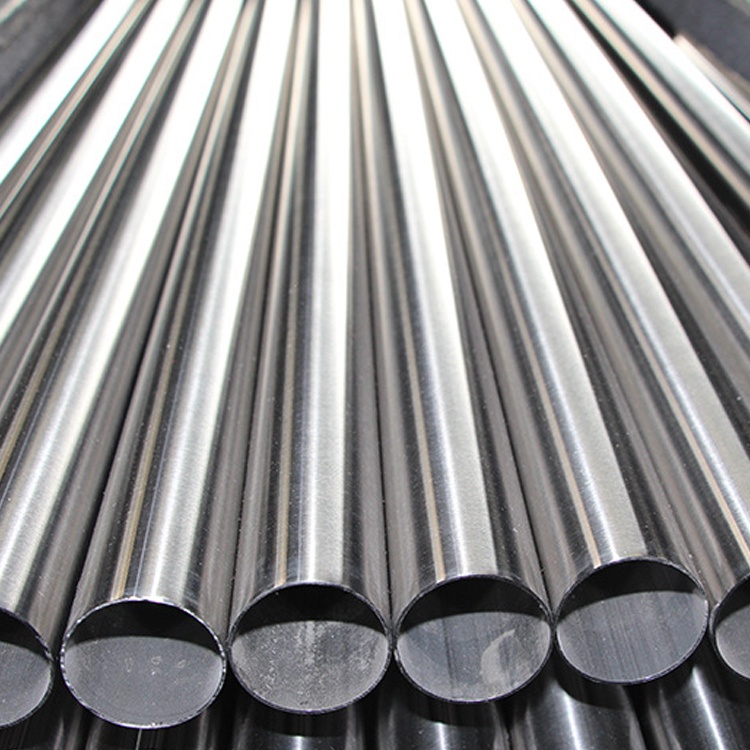
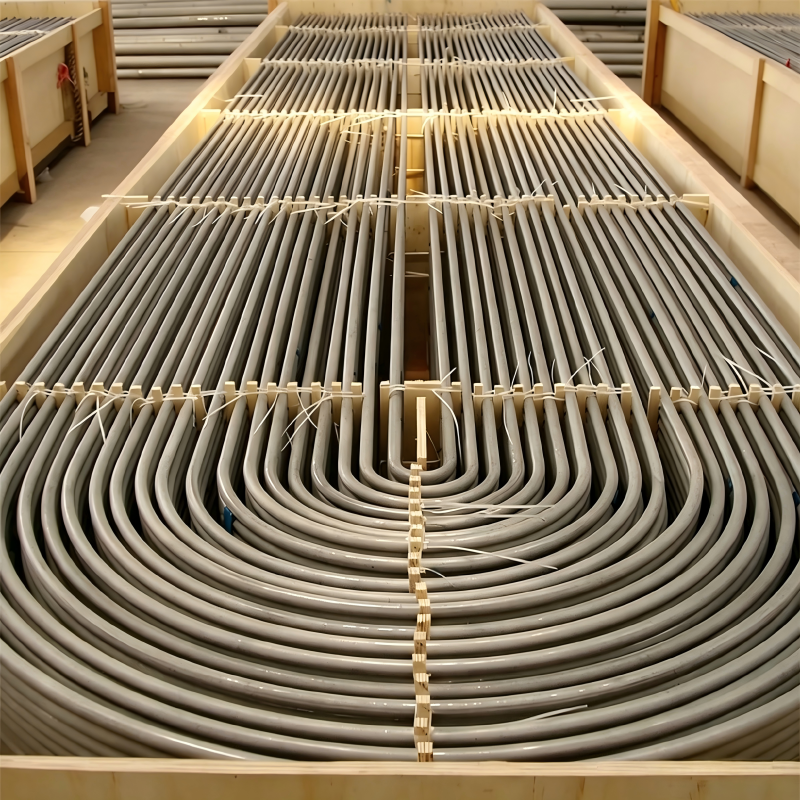
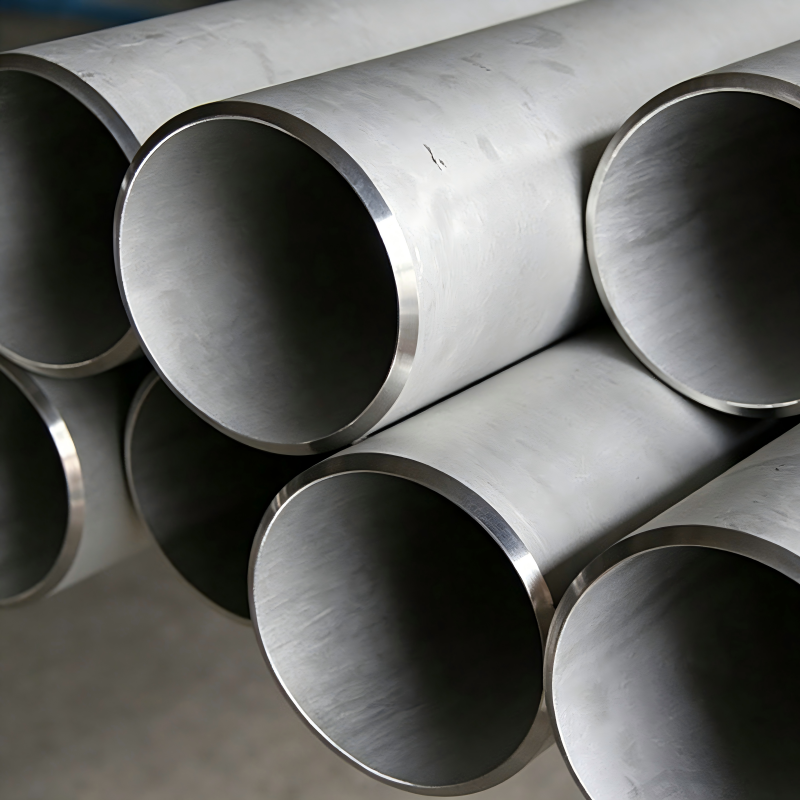
Stainless steel welded pipes are widely used across industries due to their excellent corrosion resistance, high strength, and cost-effective performance. Manufactured through advanced welding technology and precision processing, these pipes provide reliable performance in fluid transportation, structural applications, and industrial systems.
With continuous improvements in manufacturing techniques and quality control, stainless steel welded pipes have become a preferred choice for construction, petrochemical, food processing, water treatment, pharmaceutical, and energy industries worldwide.
Introduction to Stainless Steel Welded Pipes
Stainless steel welded pipes are produced by rolling stainless steel coils or plates into a tubular shape and welding the seam using advanced processes such as TIG, laser, or high-frequency welding. After welding, the pipes undergo heat treatment, polishing, sizing, and rigorous inspection to ensure excellent dimensional accuracy and mechanical performance.
Common stainless steel grades include 201, 304, 304L, 316, 316L, 310S, 321, and 904L, allowing customers to select the most suitable material for different operating environments.
Key Features
Stainless steel welded pipes offer numerous advantages, including:
Excellent corrosion and oxidation resistance
High mechanical strength and durability
Smooth surface finish for improved appearance
Excellent weld integrity and dimensional accuracy
Good resistance to high temperatures
Easy fabrication, welding, and installation
Cost-effective compared with seamless stainless steel pipes
Available in various sizes, wall thicknesses, and surface finishes
These features make stainless steel welded pipes suitable for both industrial and decorative applications.
Contact Us
If you are interested in our products and would like to learn more details, please leave a message here, and we will get back to you as soon as possible.